
 简体中文
简体中文 Inglês
 Espanhol
 عربى
عربىQuais eletrodomésticos comumente usam CBB60?
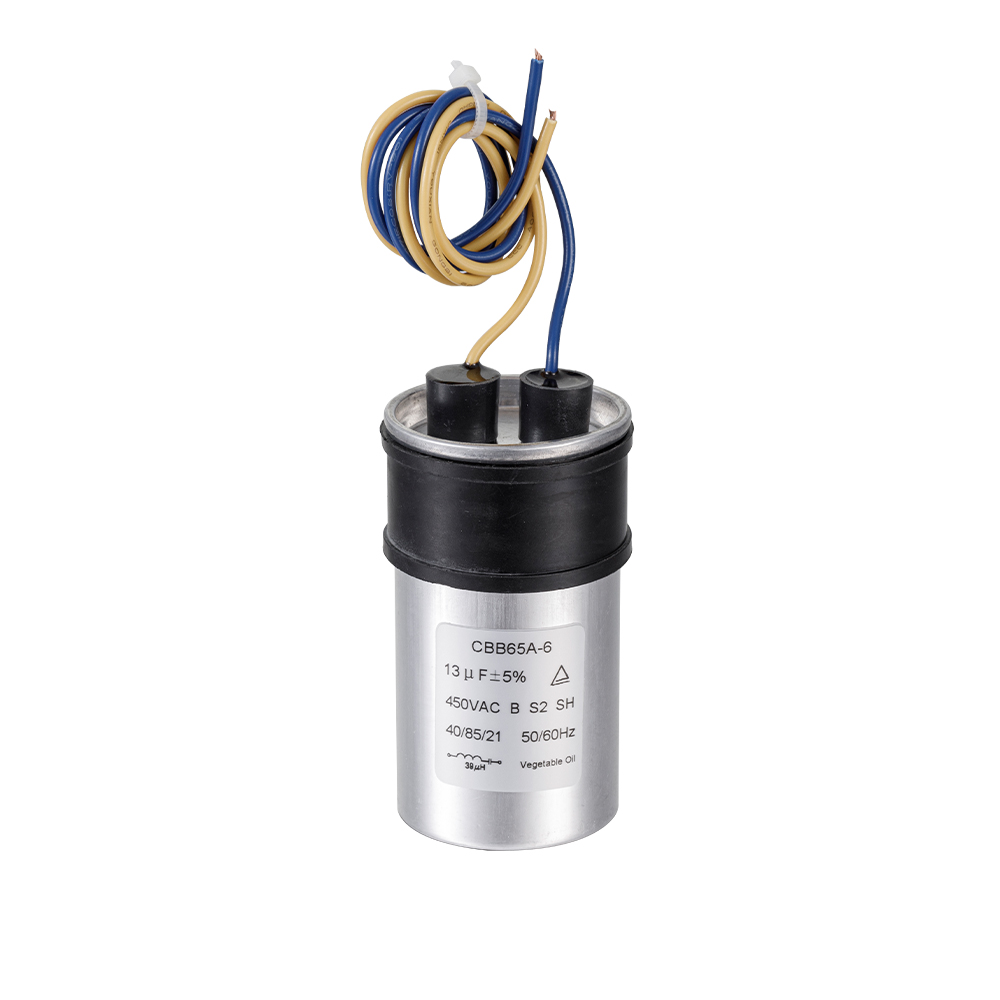
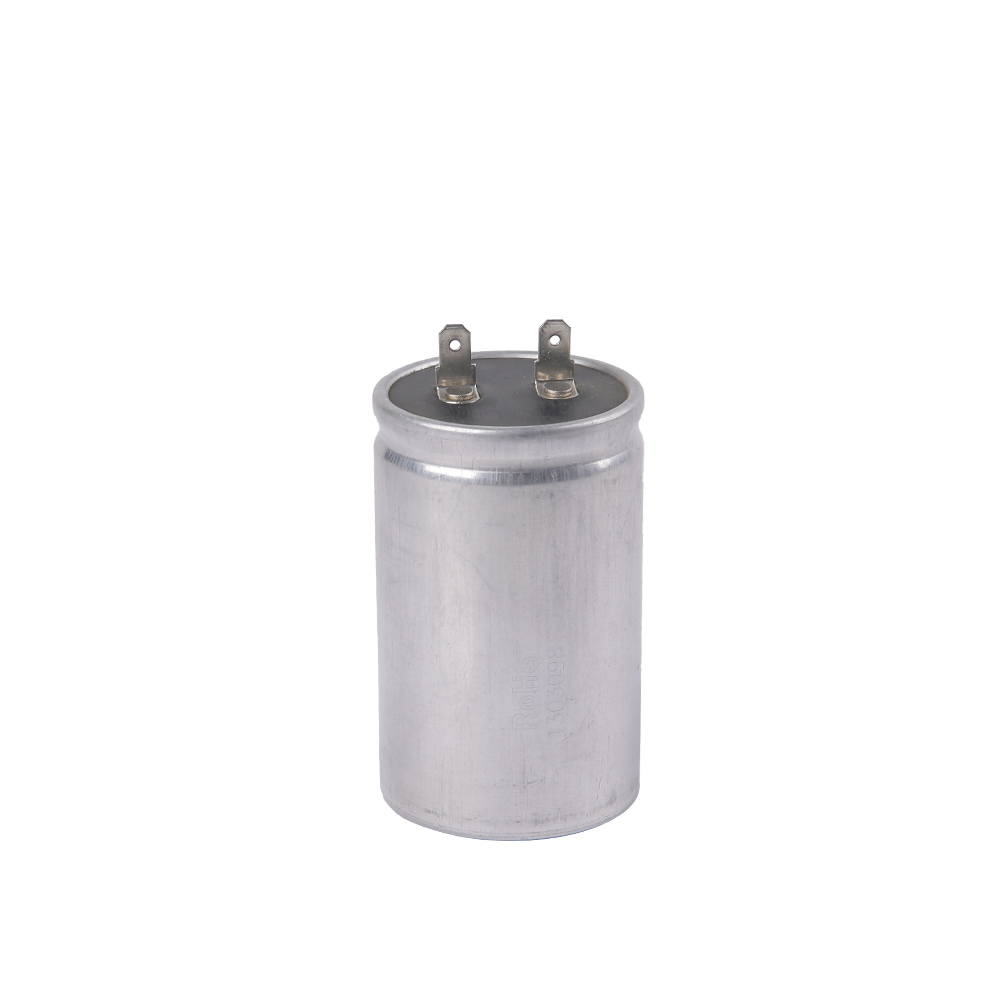
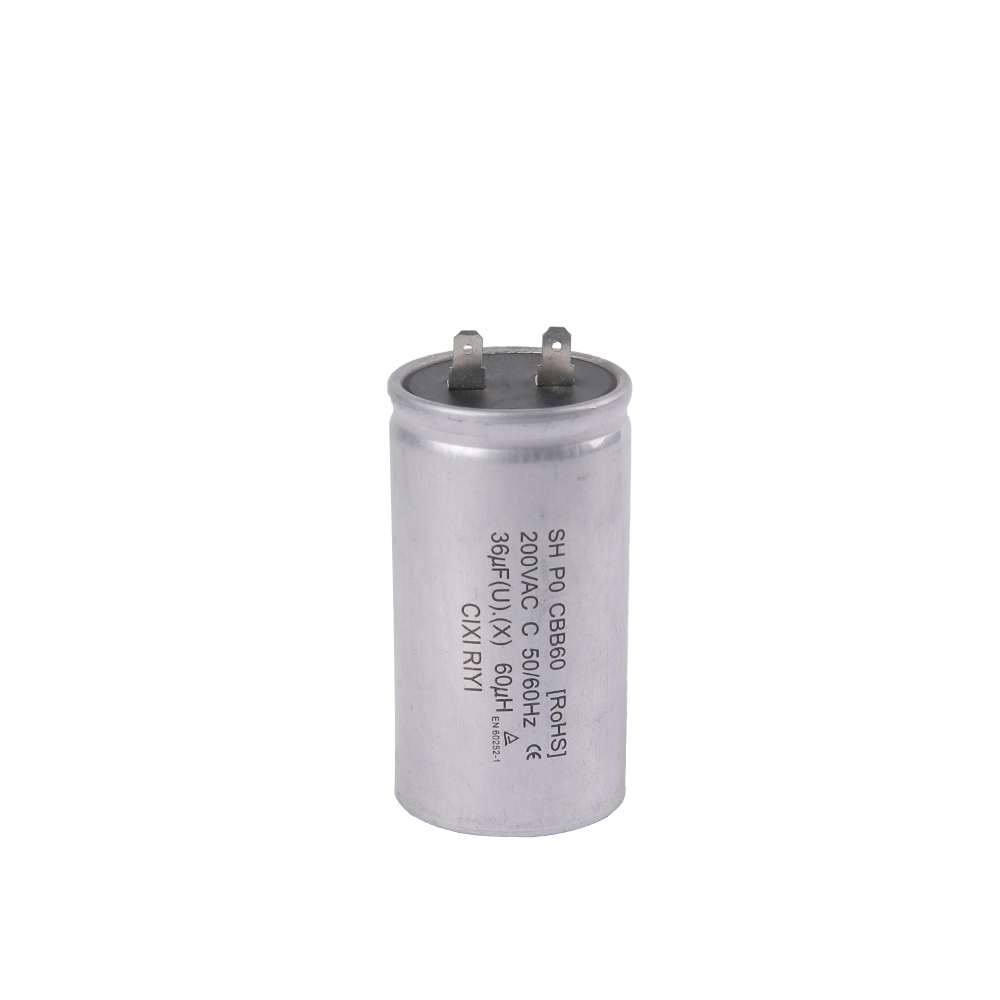
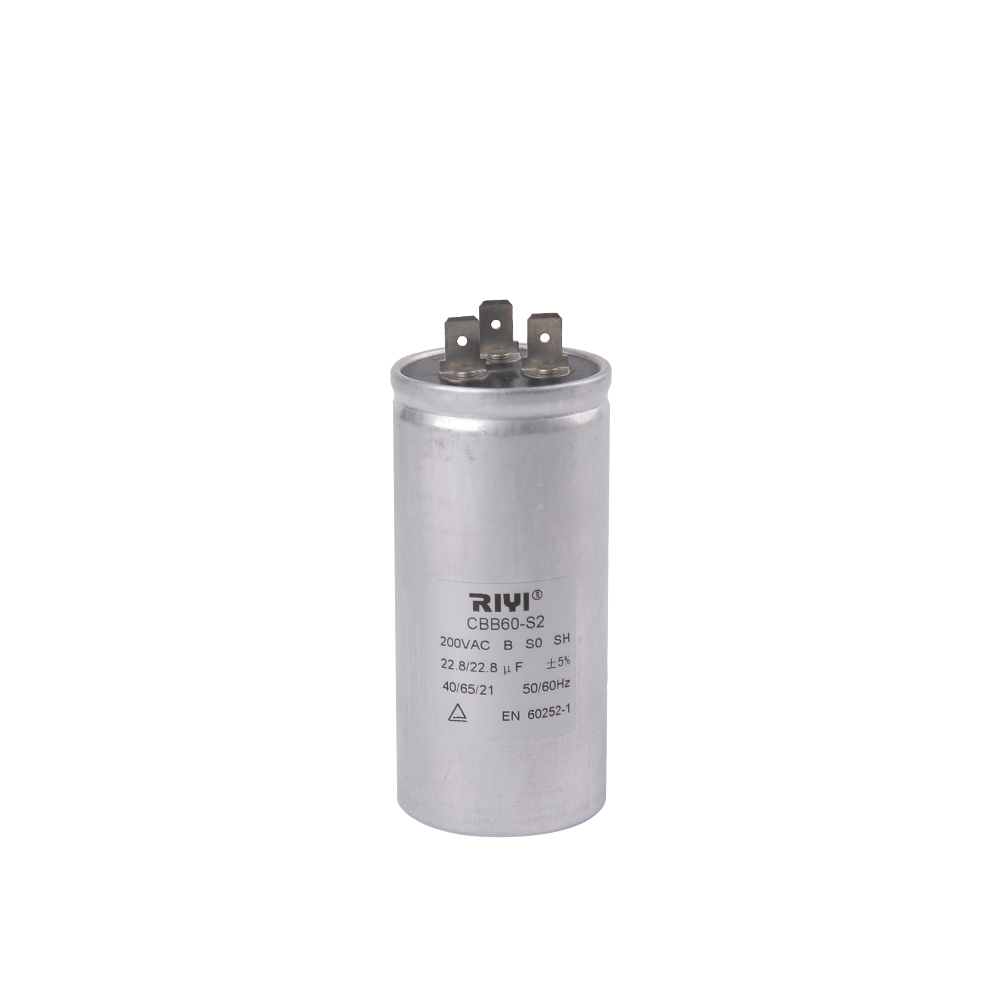
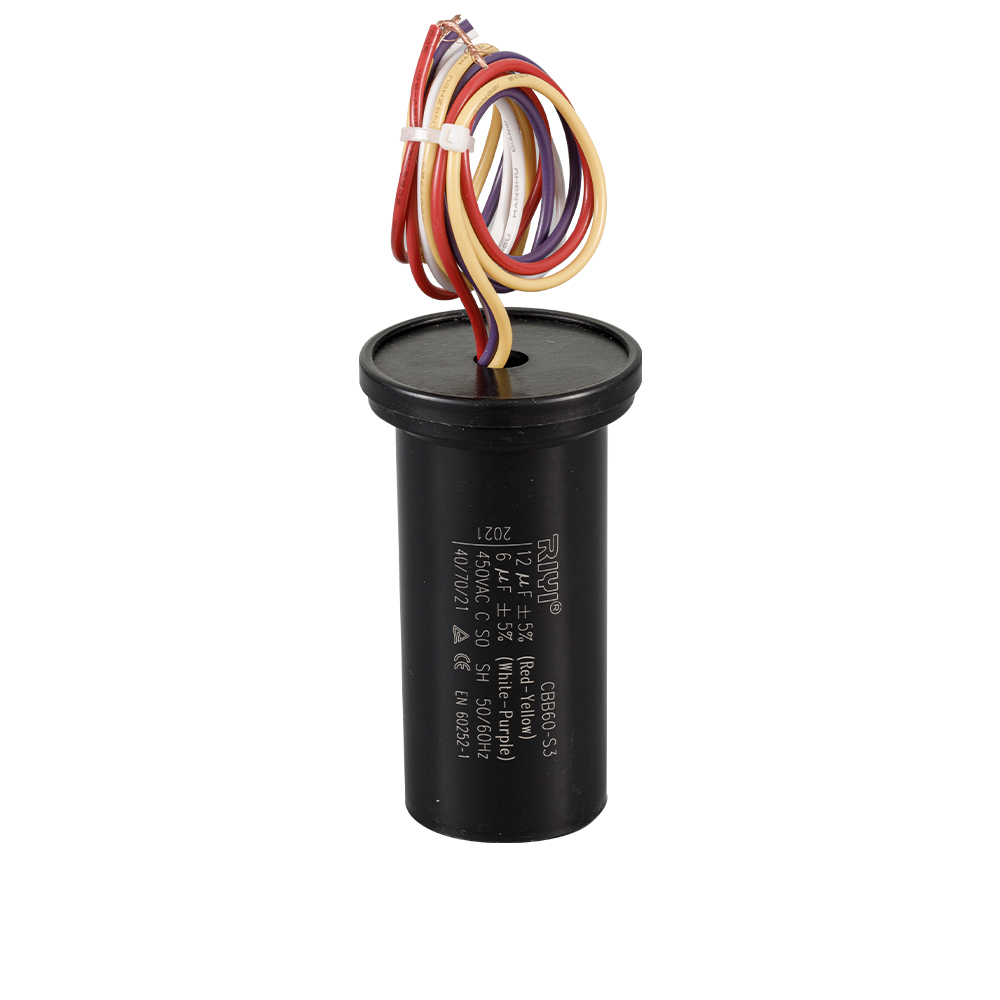
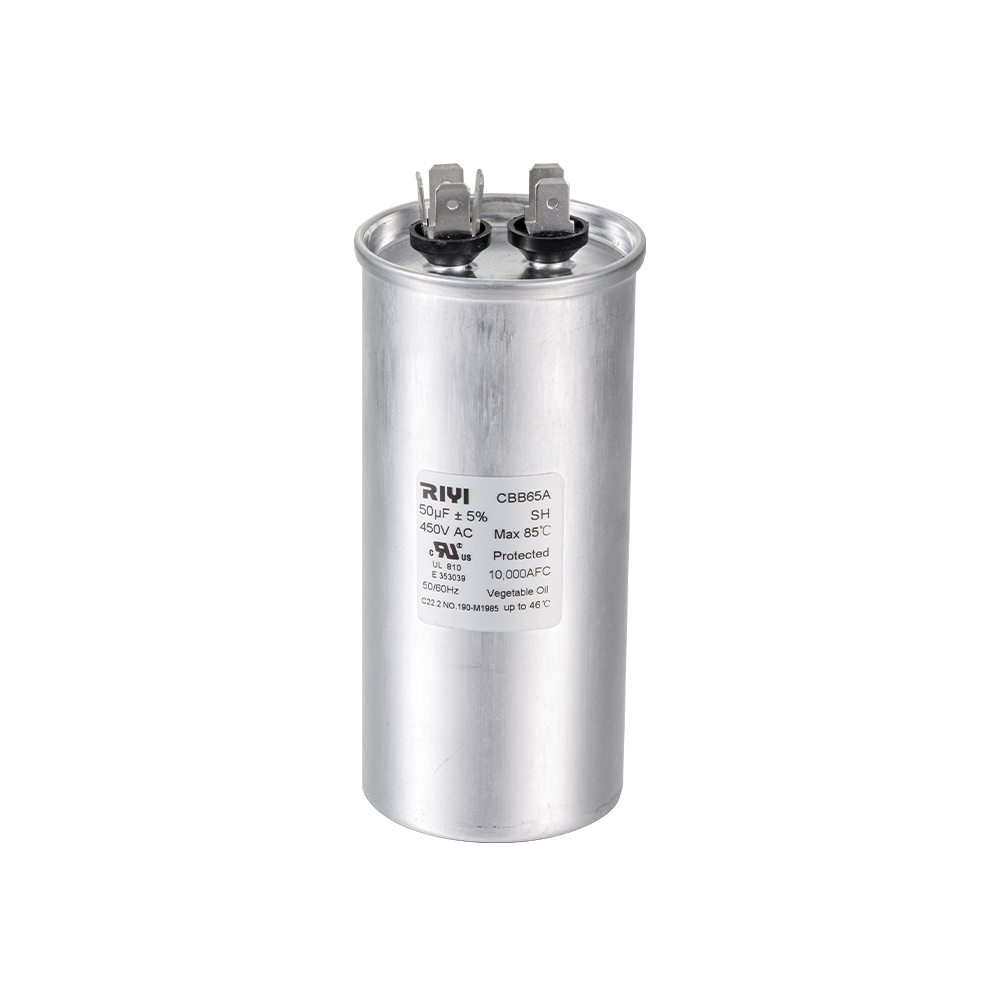
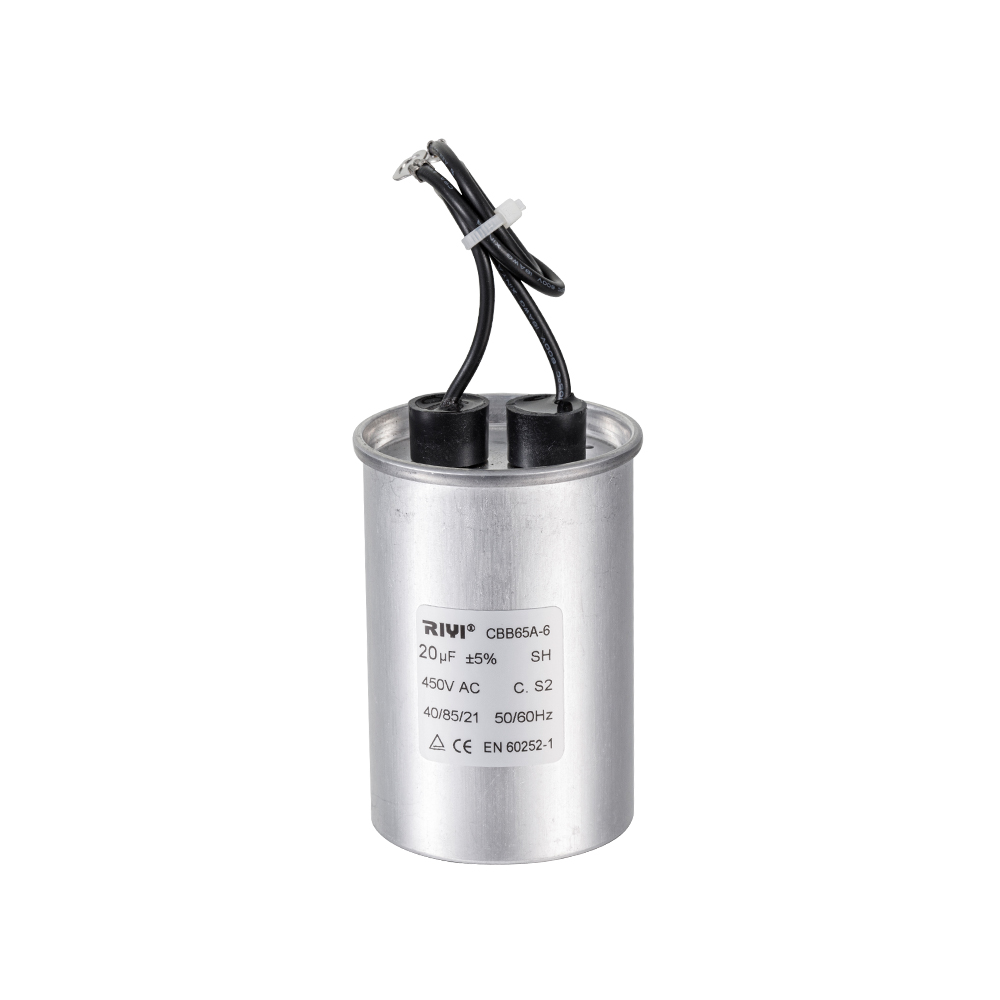
A resposta direta: o Capacitor CBB60 é mais comumente encontrado em motores CA monofásicos usados em bombas de água, condicionadores de ar, máquinas de lavar, bombas de piscina e compressores. Todos esses aparelhos são acionados por motor e requerem um capacitor de funcionamento para manter uma operação eficiente e contínua. O CBB60 - também conhecido como capacitor de funcionamento do motor ou capacitor de filme CA - foi projetado especificamente exatamente para esses circuitos de motor de funcionamento contínuo e de alto ciclo de trabalho. Se você já substituiu o motor de uma bomba d'água ou contratou um técnico de HVAC para consertar seu ar condicionado, há uma grande chance de que um capacitor CBB60 esteja envolvido.
Ao contrário dos capacitores eletrolíticos de uso geral, o CBB60 usa um dielétrico de filme de polipropileno que permite lidar continuamente com tensões CA - normalmente classificadas em 250 VCA ou 450 VCA - sem degradar rapidamente. Sua capacitância geralmente varia de 1µF a 100µF , tornando-o adequado para uma ampla variedade de tamanhos de motores encontrados em equipamentos domésticos e comerciais leves. Compreender exatamente quais aparelhos dependem desse componente ajuda os proprietários e técnicos a diagnosticar falhas com mais rapidez e encontrar a substituição certa.
Bombas de água: a aplicação mais comum para capacitores CBB60
As bombas de água - seja para abastecimento doméstico de água, irrigação de jardins ou circulação de piscinas - são o maior segmento de aplicação do capacitor CBB60. Os motores de indução monofásicos nessas bombas não podem dar partida automaticamente sem um capacitor de mudança de fase. O CBB60 cria a diferença de fase necessária entre os enrolamentos de partida e de operação, permitindo que o motor desenvolva torque de partida e mantenha um campo magnético giratório estável durante a operação contínua.
Para uma bomba de água doméstica típica de 370W a 750W, o capacitor CBB60 associado normalmente terá uma capacitância de 8µF a 20µF a 450 VCA . Bombas maiores – como aquelas usadas em sistemas de filtragem de piscinas de 1HP a 2HP – podem exigir capacitores no Faixa de 25µF a 50µF . Usar um capacitor subdimensionado faz com que o motor superaqueça e consuma corrente excessiva; um superdimensionado leva à instabilidade e à redução da eficiência.
Sinais de falha no CBB60 em uma bomba d'água
- O motor da bomba zumbe, mas não dá partida ou a partida é lenta
- O motor desarma o protetor de sobrecarga térmica logo após a partida
- Protuberâncias, rachaduras ou vazamento visíveis no corpo do capacitor
- Capacitância medida mais de 5% abaixo do valor nominal
- O motor funciona, mas com velocidade ou pressão de saída visivelmente reduzidas
Os capacitores de bombas de piscina, em particular, estão sujeitos a estresse ambiental extremo – calor externo, exposição a raios UV e umidade – o que reduz significativamente a vida útil em comparação com os capacitores de eletrodomésticos internos. Em climas quentes, um capacitor CBB60 da bomba de piscina pode precisar ser substituído a cada 3 a 5 anos , mesmo sob operação normal.

Ar condicionado e sistemas HVAC
Os condicionadores de ar são indiscutivelmente a aplicação mais importante para capacitores do tipo CBB60 em residências. Tanto o motor do compressor quanto o motor do ventilador do condensador externo em um ar condicionado tipo split normalmente requerem capacitores de funcionamento. Em muitas unidades, um capacitor de funcionamento duplo realiza ambas as funções em um único invólucro, mas as características elétricas são idênticas às de um CBB60 padrão – filme de polipropileno, com classificação AC e projetado para serviço contínuo.
Para um ar condicionado split residencial de 1 a 1,5 tonelada, o capacitor de funcionamento do compressor normalmente é classificado em 35µF a 45µF a 370VAC ou 440VAC . O capacitor do motor do ventilador na mesma unidade é geralmente menor – cerca de 5µF a 10µF . Em aparelhos de ar condicionado do tipo janela, um único capacitor CBB60 geralmente serve a função combinada de partida/funcionamento de um motor PSC (Permanent Split Capacitor), com valores comumente na faixa Faixa de 2µF a 6µF a 450VAC .
Os técnicos de HVAC relatam que a falha do capacitor é uma das principais causas de chamadas de serviço de ar condicionado durante os meses de verão. O calor é inimigo dos capacitores – cada aumento de 10°C na temperatura operacional reduz aproximadamente pela metade a vida útil esperada. Em uma unidade condensadora externa mal ventilada, as temperaturas ambientes podem exceder 60°C a 70°C em dias quentes, o que está bem acima da classificação de temperatura padrão do CBB60 de 85°C ou 105°C dependendo da nota.
Especificações típicas do capacitor CBB60 para equipamentos de ar condicionado
| Aplicação | Capacitância Típica | Classificação de tensão | Temperatura. Avaliação |
|---|---|---|---|
| Motor do compressor (1–2 toneladas) | 35µF – 50µF | 370 VCA / 440 VCA | 85°C / 105°C |
| Motor do ventilador do condensador | 5µF – 10µF | 370 VCA / 450 VCA | 85°C |
| Unidade AC de janela (motor PSC) | 2µF – 6µF | 450VAC | 85°C |
| Manipulador de ar HVAC central | 10µF – 20µF | 370 VCA / 440 VCA | 85°C / 105°C |
Máquinas de lavar e secar roupa
Máquinas de lavar de carregamento superior com motores de indução monofásicos – ainda o design dominante em muitos mercados em todo o mundo – contam com um capacitor CBB60 como parte integrante do circuito do motor. O capacitor permite que o motor produza o torque necessário para a carga pesada do tambor durante os ciclos de lavagem e centrifugação. Sem um capacitor funcional, o motor não dá partida totalmente ou opera com torque severamente reduzido, levando a ciclos de centrifugação incompletos e roupa molhada.
Para uma lavadora de carregamento superior padrão com capacidade de 5 kg a 7 kg e um motor na faixa de 180 W a 370 W, o capacitor CBB60 normalmente será classificado em 6µF a 12µF a 450VAC . Carregadores superiores de nível comercial maiores podem usar capacitores de até 20µF . Nas arruelas do tipo tambor (carregamento frontal), o design do motor varia – muitos carregadores frontais modernos usam motores universais ou motores acionados por inversor que não requerem um capacitor de funcionamento – mas projetos mais antigos de carregamento frontal e muitos modelos econômicos ainda incorporam motores de indução monofásicos emparelhados com um CBB60.
As secadoras com aquecimento por resistência elétrica e um motor soprador também costumam usar capacitores CBB60 nos circuitos da motopolia e do motor do ventilador. Em uma secadora elétrica ventilada típica, você pode encontrar dois capacitores CBB60 separados: um para a motopolia (geralmente 3µF a 8µF ) e um para o motor do soprador (geralmente 2µF a 5µF ).
Por que os capacitores das máquinas de lavar falham precocemente
Os motores das máquinas de lavar sofrem alguns dos esforços elétricos mais exigentes de qualquer capacitor de eletrodomésticos. Cada ciclo de lavagem envolve múltiplas partidas sob carga, picos de tensão da corrente de partida e, na fase de centrifugação, operação sustentada de alto torque. Os capacitores nesta aplicação estão expostos à vibração da própria máquina, o que pode enfraquecer as conexões internas ao longo do tempo. Na prática, um capacitor CBB60 de máquina de lavar pode durar de 5 a 12 anos , dependendo da frequência de utilização e da qualidade da energia na rede local.
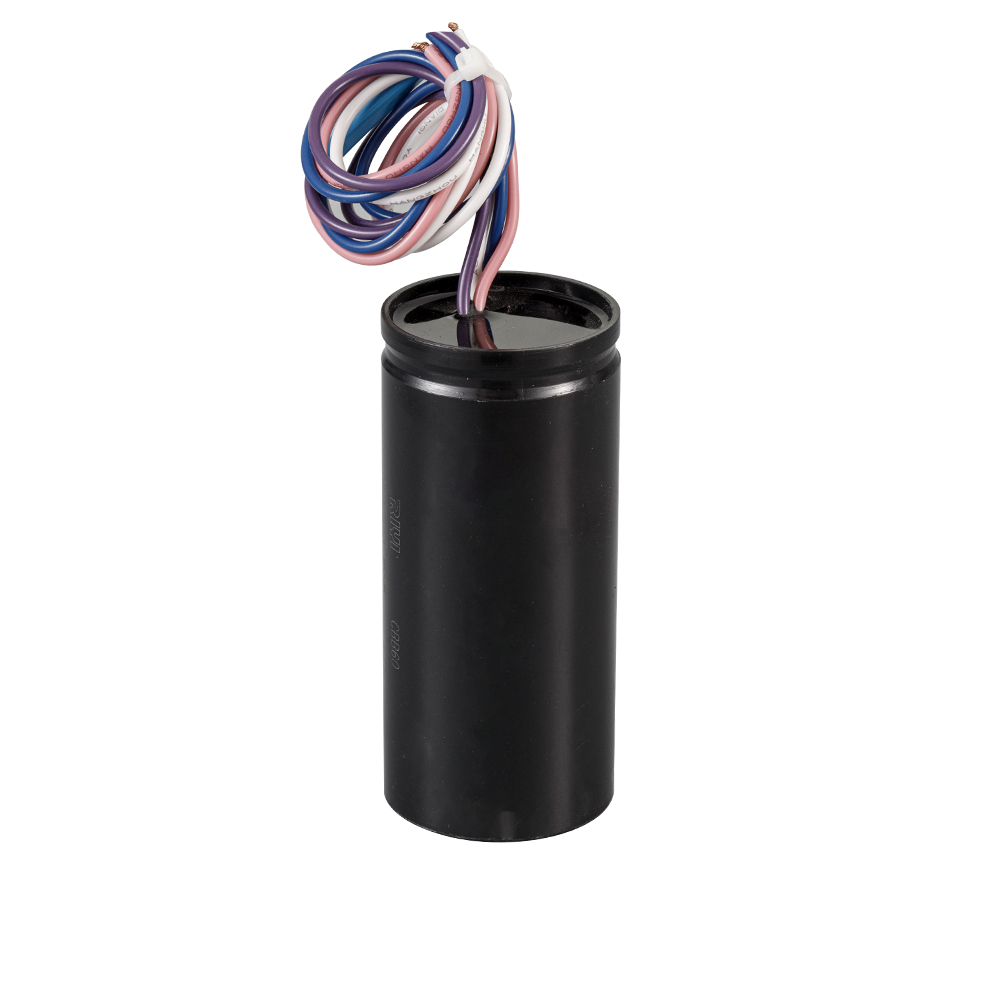
Geladeiras e freezers com circuitos de partida de compressor
Embora muitos refrigeradores modernos usem partidas PTC (Coeficiente de Temperatura Positiva) em vez de capacitores de operação, uma parte significativa de refrigeradores mais antigos, grandes freezers e unidades de refrigeração comercial continuam a usar motores de compressor de partida ou operação por capacitor. Nestes projetos, um capacitor CBB60 – ou uma versão plana CBB61 da mesma tecnologia – é usado como capacitor de funcionamento permanente ou em combinação com um capacitor de partida eletrolítico.
Grandes freezers horizontais (200 litros e acima) são particularmente propensos a usar um capacitor de funcionamento, já que seus compressores de maior potência se beneficiam da melhoria de eficiência que um capacitor de funcionamento proporciona. Os valores típicos para capacitores de funcionamento de refrigeradores ou freezers variam de 3µF a 15µF a 250VAC . A classificação de tensão mais baixa (250 VCA versus 450 VCA comum em aplicações de bombas) é apropriada porque os motores do compressor do refrigerador operam em tensões mais baixas em relação ao capacitor.
É importante não confundir o capacitor cbb60 com o capacitor de partida eletrolítica que às vezes é encontrado em refrigeradores. O CBB60 é um capacitor tipo filme destinado ao funcionamento contínuo – ele permanece no circuito durante a operação normal. Um capacitor de partida eletrolítica, por outro lado, fica no circuito apenas por uma fração de segundo durante a partida do motor e deve ser desconectado por um relé ou dispositivo PTC quando o motor atingir a velocidade.
Ventiladores de ventilação, exaustores e ventiladores de teto
Ventiladores de teto, exaustores industriais, ventiladores de sótão e ventiladores de exaustor normalmente usam motores de indução monofásicos com uma configuração de capacitor dividido permanente (PSC) - e o capacitor CBB60 (ou sua variante próxima, o CBB61) é o componente que faz essa configuração funcionar. Nãos motores PSC, o capacitor está permanentemente conectado ao enrolamento auxiliar, criando a mudança de fase que produz torque de partida e mantém a eficiência de funcionamento.
Para um ventilador de teto padrão com potência de motor de 50 W a 75 W, o capacitor de funcionamento normalmente será 2µF a 4µF a 250 VCA . Ventiladores de exaustão industriais maiores na faixa de 100 W a 370 W podem usar capacitores de até 8µF a 12µF . O controle de velocidade em ventiladores de teto geralmente é obtido alternando entre diferentes valores de capacitores - razão pela qual algumas carcaças de motores de ventiladores de teto contêm dois ou três capacitores de valores diferentes para fornecer configurações de velocidade baixa, média e alta.
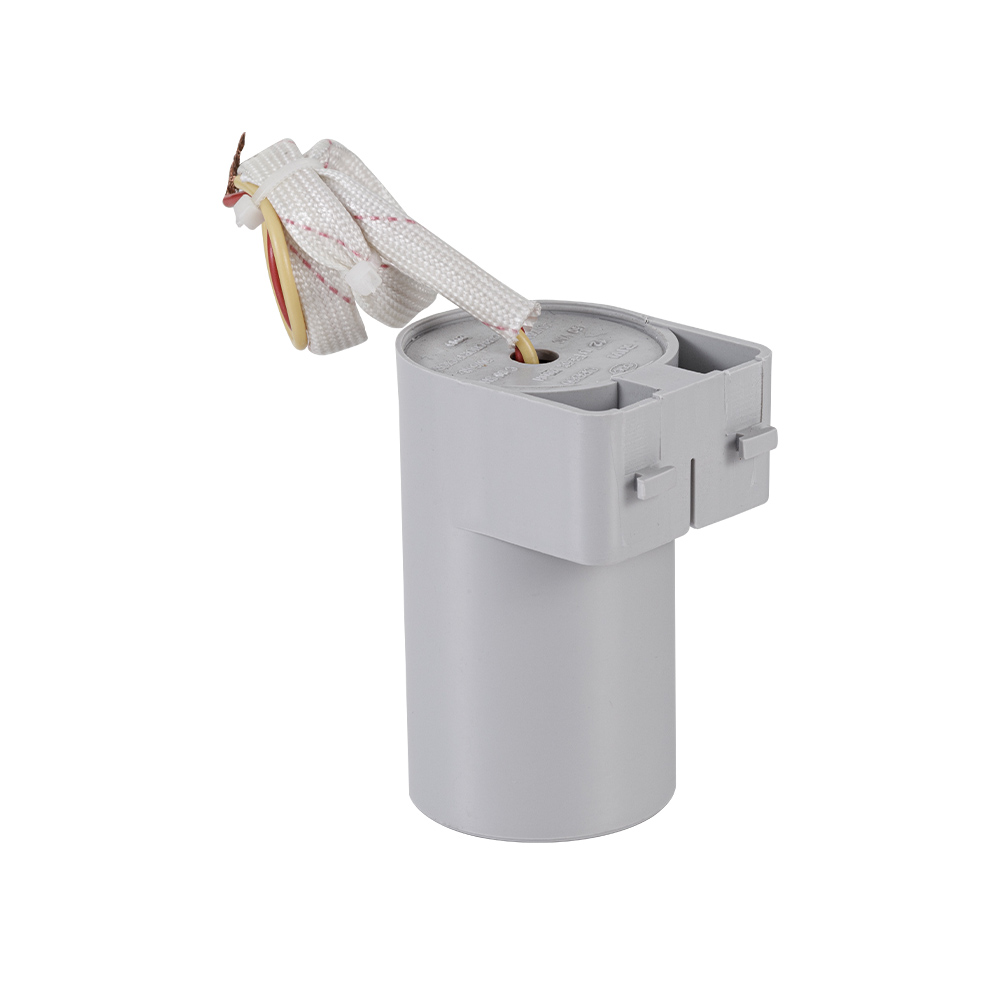
A variante CBB61 merece menção aqui, pois é essencialmente a mesma tecnologia de capacitor de filme de polipropileno que o CBB60, mas embalada em uma caixa plana (retangular) em vez do formato cilíndrico do CBB60. O CBB61 é mais comumente usado em ventiladores de teto e ventiladores menores, onde o espaço de montagem exige um perfil plano. Ambos os tipos compartilham as mesmas características elétricas principais e os mesmos modos de falha.
Valores do capacitor do ventilador de teto para diferentes configurações de velocidade
- Alta velocidade: normalmente usa o valor total da capacitância (por exemplo, 4µF)
- Velocidade média: capacitância reduzida via comutação ou enrolamento com derivação (por exemplo, 3µF ou 2,5µF)
- Baixa velocidade: capacitância mínima (por exemplo, 1,5 µF a 2 µF)
Quando um ventilador de teto funciona apenas em uma velocidade ou para de responder ao controle de velocidade, um capacitor degradado ou em curto está entre as primeiras coisas a verificar. Desvio de capacitância de mais de ±5% do valor nominal é geralmente considerado motivo para substituição em aplicações de ventiladores.
Outras aplicações domésticas e comerciais leves
Além das principais categorias de eletrodomésticos acima, o capacitor CBB60 aparece em uma variedade surpreendentemente ampla de outros equipamentos motorizados encontrados dentro e ao redor de casa. Cada uma dessas aplicações tem sua própria faixa de capacitância e requisitos de tensão típicos, mas todas compartilham a mesma necessidade fundamental: um capacitor de filme CA confiável e de longa vida para suportar a operação de motores monofásicos.
- Abridores de portas de garagem: O motor de acionamento por corrente ou parafuso em um abridor de porta de garagem residencial típico (classificado de 350W a 750W) geralmente usa um capacitor de operação CBB60 no Faixa de 5 µF a 12 µF a 250 VCA ou 450 VCA .
- Compressores de ar: Compressores de ar monofásicos portáteis e estacionários para oficinas domésticas normalmente usam um capacitor de partida (eletrolítico) e um capacitor de operação (CBB60). O capacitor de operação CBB60 em um compressor de 1HP a 2HP é comumente classificado em 20µF a 40µF a 450VAC .
- Bombas submersíveis: As bombas de poço e as bombas de poço submersíveis usam capacitores CBB60 classificados para serviço adjacente de imersão contínua, normalmente 10µF a 30µF a 450VAC , muitas vezes com uma tolerância de temperatura mais alta de 105°C.
- Desumidificadores: O compressor e o motor do ventilador em um desumidificador residencial usam capacitores de funcionamento; os valores dependem do tamanho da unidade, mas geralmente variam de 2µF a 8µF a 370VAC ou 450VAC .
- Bombas de calor: Semelhante ao design dos condicionadores de ar, as unidades externas da bomba de calor usam capacitores de operação equivalentes ao CBB60 no compressor e no motor do ventilador.
- Bombas de circulação para aquecedores de água: Sistemas de aquecimento solar de água e sistemas de aquecimento hidrônico com pequenas bombas de circulação geralmente usam capacitores CBB60 classificados em 4µF a 10µF a 250VAC .
- Secadores de grãos e ventiladores agrícolas: Grandes ventiladores axiais usados na agricultura e no manuseio de grãos geralmente contam com capacitores CBB60, às vezes em bancos de capacitores para circuitos de simulação trifásicos de alta potência.
Como identificar e verificar um capacitor CBB60 em um aparelho
Ao fazer a manutenção de qualquer um dos aparelhos listados acima, identificar o capacitor cbb60 correto para substituição requer a leitura de três parâmetros principais da etiqueta do componente existente: capacitância (em µF), classificação de tensão (VAC) e, às vezes, classificação de frequência (50 Hz ou 60 Hz). Esses valores devem corresponder exatamente ou estar dentro de tolerâncias aceitáveis para uma operação segura e eficaz.
A classificação de tensão do capacitor de substituição deve ser igual ou maior que o original - nunca mais baixo. Usar um capacitor de 250 VCA onde é necessário um de 450 VCA é um risco à segurança que pode resultar em ruptura dielétrica, falha do capacitor e incêndio. Na prática, é geralmente aceitável usar um capacitor de 450 VCA em uma aplicação de 250 VCA, pois a classificação de tensão mais alta fornece margem de segurança adicional sem afetar o desempenho da capacitância.
A tolerância de capacitância para substituição do CBB60 deve permanecer dentro ±5% do valor nominal para aplicações de capacitores de operação. Ir significativamente acima da capacitância nominal faz com que o motor consuma corrente excessiva no enrolamento auxiliar; ir significativamente abaixo reduz o torque e a confiabilidade da partida. Para aplicações de compressores e bombas onde a eficiência do motor é crítica, é preferível permanecer dentro de ±3%.
Processo passo a passo de verificação de capacitores
- Desconecte o aparelho da energia e deixe-o descansar por pelo menos 5 minutos antes de tocar em qualquer capacitor – alguns capacitores retêm uma carga perigosa após a remoção da energia.
- Descarregue o capacitor com segurança usando um resistor de descarga (normalmente de 10kΩ a 20kΩ, 5W) conectado aos terminais antes do manuseio.
- Leia a etiqueta do capacitor existente para capacitância (µF), tensão (VAC) e classificação de temperatura.
- Use um multímetro digital com função de medição de capacitância para medir a capacitância real do capacitor antigo; compare com o valor nominal.
- Se a capacitância medida estiver mais de 5% abaixo do valor nominal ou se o capacitor apresentar danos físicos (protuberância, rachadura, vazamento), substitua-o.
- Selecione um capacitor CBB60 de substituição com classificação de tensão correspondente ou superior e capacitância dentro de ± 5% do original.
- Verifique as dimensões físicas (diâmetro e comprimento para CBB60 cilíndrico) adequadas ao suporte de montagem ou carcaça do aparelho.
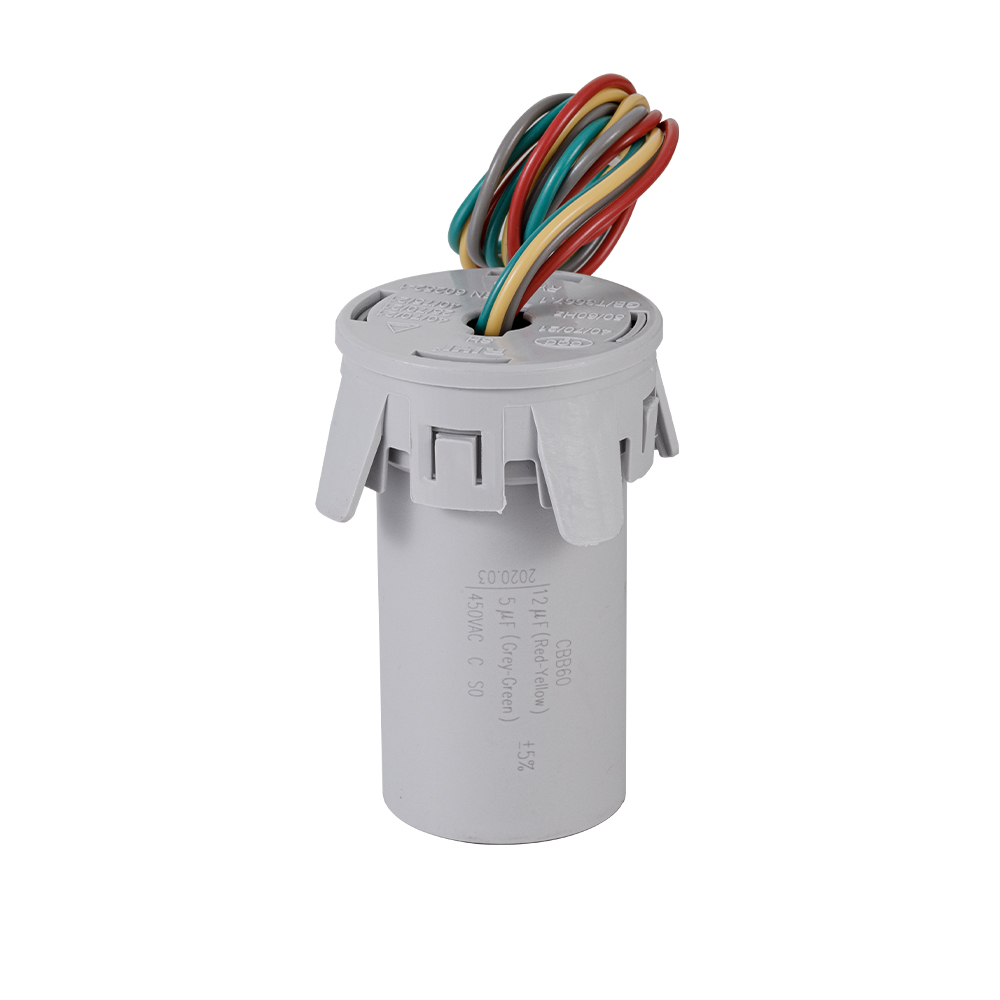
CBB60 vs outros tipos de capacitores: por que este componente específico é usado
Uma pergunta comum tanto de técnicos quanto de proprietários curiosos é: por que especificamente o capacitor CBB60, e não um capacitor eletrolítico ou cerâmico? A resposta está nos requisitos elétricos fundamentais dos circuitos de funcionamento do motor CA.
Os capacitores eletrolíticos são polarizados – eles só podem lidar com segurança com tensão CC, não CA. Conectar um capacitor eletrolítico ao enrolamento de um motor CA o destruiria rapidamente e criaria risco de incêndio ou explosão. O dielétrico do filme de polipropileno do CBB60 não é polarizado e lida com tensão CA de forma eficiente, com resistência interna (ESR) muito baixa e perda dielétrica mínima — características que são críticas para operação CA contínua.
Os capacitores cerâmicos, embora também não polarizados, estão disponíveis apenas em valores de capacitância muito pequenos (picofarads a microfarads) e não podem atingir a faixa de capacitância de 5 µF a 100 µF necessária para aplicações de funcionamento de motores nos tamanhos físicos que são práticos para uso em aparelhos.
O capacitor CBB60 também oferece propriedades de autocura — uma das características mais importantes para a confiabilidade a longo prazo. Quando ocorre uma pequena ruptura dielétrica em um defeito microscópico, o filme do eletrodo metalizado no CBB60 vaporiza localmente, isolando o defeito e restaurando o isolamento. Isso evita que um pequeno defeito se transforme em falha catastrófica. A maioria dos capacitores CBB60 são classificados para uma vida útil de 100.000 horas sob condições operacionais padrão - excedendo em muito os capacitores eletrolíticos usados em circuitos de partida.
Comparação: CBB60 vs outros tipos de capacitores para aplicações de motores
| Tipo de capacitor | Classificação AC | Serviço Contínuo | Vida Típica | Autocura |
|---|---|---|---|---|
| CBB60 (filme PP) | Sim | Sim | 100.000 horas | Sim |
| Eletrolítico (Al) | Não (somente DC) | Apenas comece | 3.000–10.000 horas | Não |
| Cerâmica | Sim (low V) | Limitado | Muito longo | Não |
| MKP (filme PP, grau superior) | Sim | Sim | 100.000 horas | Sim |
O que acontece quando um capacitor CBB60 falha em um eletrodoméstico
Compreender os modos de falha de um capacitor cbb60 ajuda a diagnosticar com precisão os problemas do aparelho antes de se comprometer com reparos mais caros. O comportamento da falha varia dependendo de como o capacitor falha – circuito aberto, curto-circuito ou perda gradual de capacitância.
Falha de circuito aberto
Quando um CBB60 falha na abertura (a conexão interna é interrompida), o motor perde totalmente o capacitor de operação. Em um motor PSC (ventiladores de teto, ACs de janela), o motor não dará partida ou dará partida muito lentamente com torque reduzido. Em um motor de compressor com partida/funcionamento por capacitor, a eficiência de funcionamento cai drasticamente, causando superaquecimento e disparo da proteção térmica. Falhas de circuito aberto são o modo de falha mais comum em capacitores CBB60 antigos e geralmente são causadas por fadiga da conexão interna devido ao ciclo térmico.
Falha de curto-circuito
Um capacitor CBB60 em curto é menos comum, mas mais perigoso. Ele cria um caminho direto de baixa impedância através do enrolamento do motor, causando sobrecorrente imediata, fusíveis queimados ou disjuntores desarmados. Em casos graves, um curto-circuito em um capacitor pode gerar calor suficiente para causar rachaduras ou explosão na caixa do capacitor. É por isso que os capacitores CBB60 para aplicações em motores sempre incluem mecanismos internos de desconexão por sobrepressão (OPD). — um disco interno sensível à pressão que desconecta a conexão antes que ocorra uma falha catastrófica.
Perda Gradual de Capacitância
O modo de falha mais insidioso é a perda gradual de capacitância devido à degradação dielétrica ao longo do tempo – geralmente causada por exposição prolongada a temperaturas elevadas, alta umidade ou eventos de sobretensão. O aparelho continua a funcionar, mas com eficiência reduzida: uma bomba fornece menor vazão, um ar condicionado consome mais energia para a mesma potência de resfriamento ou uma máquina de lavar leva mais tempo para atingir a velocidade de centrifugação total. Muitos proprietários atribuem esses sintomas ao desgaste geral, e não a um capacitor degradado, levando a contas de eletricidade desnecessariamente altas e desgaste prematuro do motor.
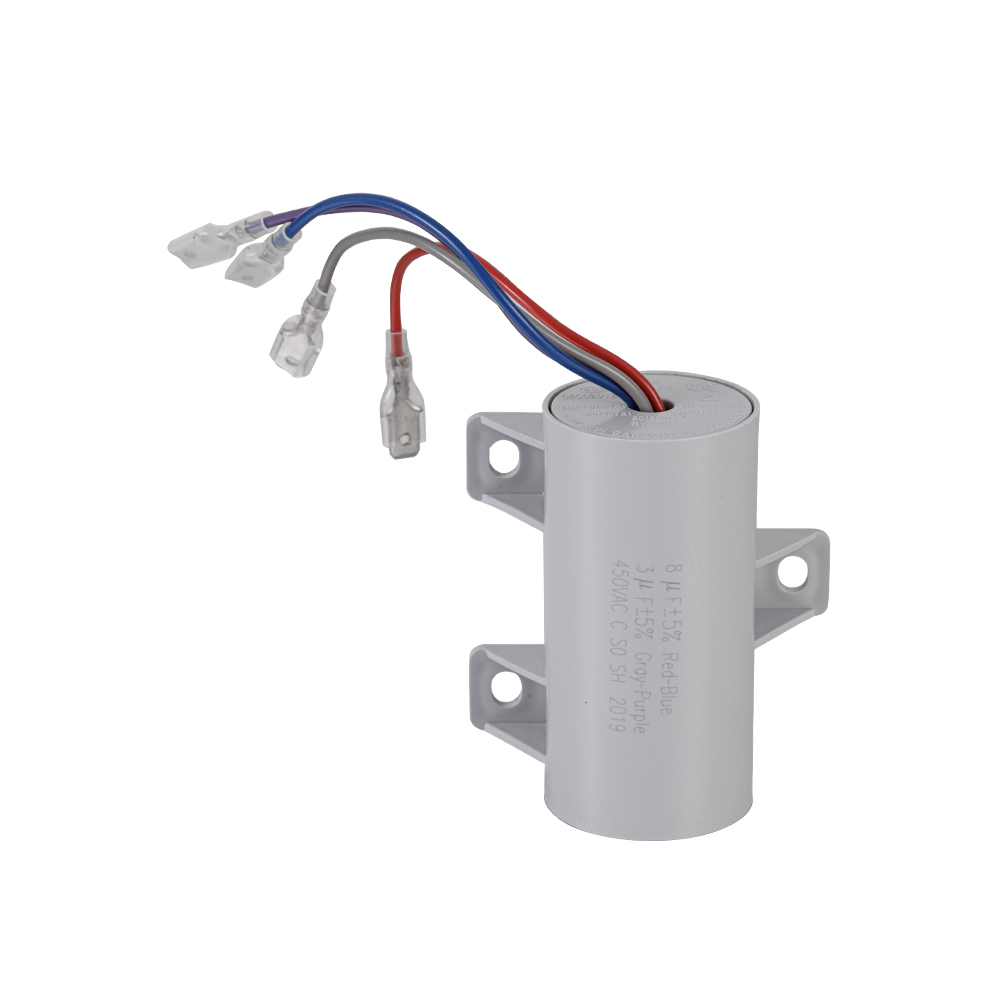
Selecionando o capacitor CBB60 correto: principais critérios de compra
Nem todos os capacitores CBB60 no mercado são fabricados com o mesmo padrão. A qualidade varia significativamente entre marcas e lotes de produção, e as consequências de um capacitor abaixo do padrão – falha prematura, danos ao aparelho ou incêndio – fazem com que valha a pena prestar atenção aos critérios de aquisição.
- Certificações de conformidade: Procure capacitores CBB60 certificados pela IEC 60252-1 (o padrão internacional para capacitores de motores CA). Os capacitores fabricados na China também devem possuir certificação CQC; Os produtos do mercado europeu devem estar em conformidade com a RoHS e, idealmente, ostentar a marcação CE. As listagens VDE, TÜV ou UL para a aplicação específica acrescentam ainda mais garantia.
- Tolerância de capacitância: Para aplicações de funcionamento de motor, ±5% é a tolerância padrão. Alguns fornecedores premium oferecem ±3% para aplicações exigentes, como compressores e bombas de alta eficiência.
- Classificação de temperatura: Escolha 85°C para aplicações internas padrão; 105°C para ambientes externos, com ambiente elevado ou motores fechados, como carcaças de bombas de piscina e unidades condensadoras HVAC externas.
- Carcaça retardadora de chamas: O revestimento externo deve ser feito de polipropileno retardador de chama (classificação UL94 V-0) ou material semelhante para conter qualquer falha interna sem propagar o fogo.
- Desconexão de sobrepressão interna (OPD): Verifique se o capacitor inclui um mecanismo OPD. Isto é obrigatório para conformidade com a IEC 60252-1 e é um recurso de segurança crítico.
- Dimensões físicas: Os capacitores CBB60 estão disponíveis em diâmetros de 35 mm, 40 mm e 50 mm com várias alturas. Confirme se a substituição se ajusta ao suporte de montagem ou caixa do seu aparelho antes de fazer o pedido.
Para fabricantes OEM de bombas de água, condicionadores de ar e equipamentos similares, adquirir capacitores CBB60 diretamente de fabricantes certificados, em vez de distribuidores, permite um controle de qualidade mais rígido e melhor rastreabilidade. A aquisição em massa no nível da fábrica também permite a inspeção de entrada usando medidores de capacitância e testadores ESR para verificar se cada lote de produção atende às especificações antes da montagem.
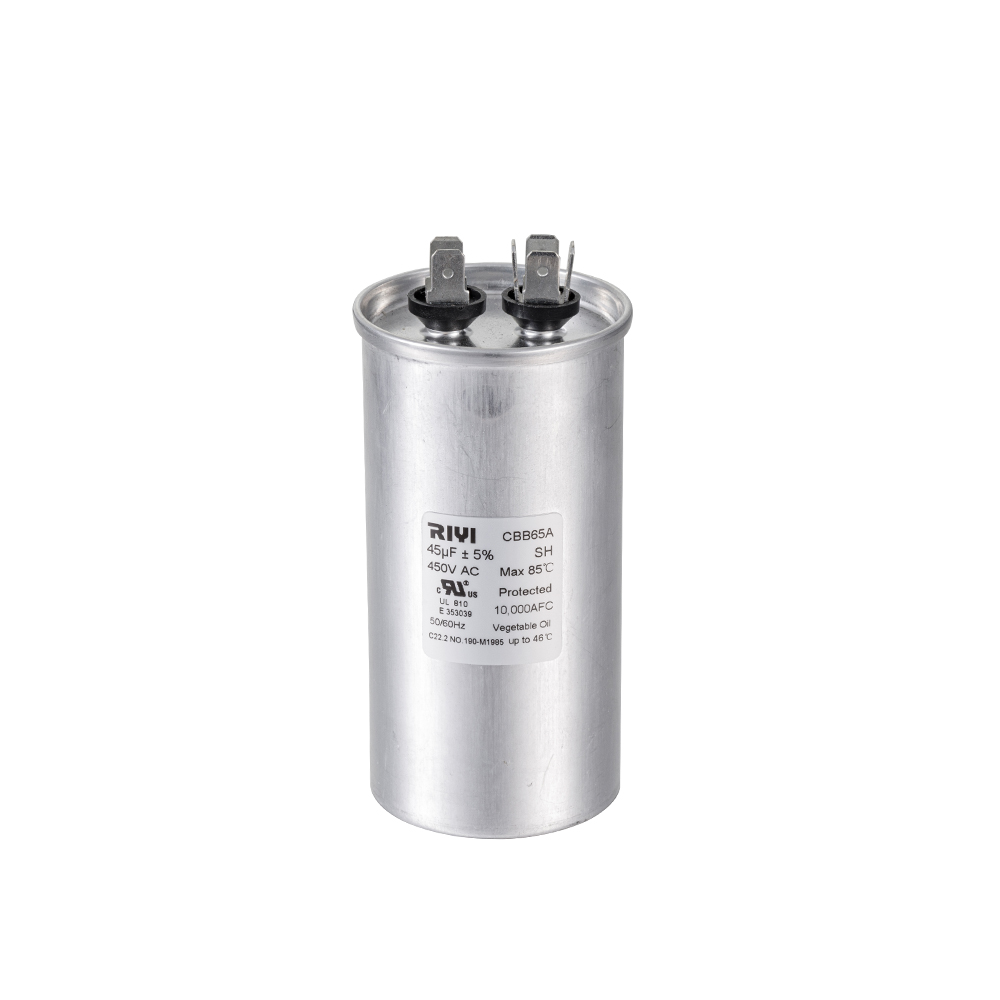

 +86-13600614158
 +86-0574-63223385
 Rua Zonghan, cidade de Cixi, província de Zhejiang, China.